Epic: The Old Space Game You Might Half Remember

Quick facts about the old Epic space game
- Game: Epic
- Type: Space combat game
- Era: Early 1990s
- Platforms: Amiga, Atari ST, DOS PC
- Style: Cockpit-based missions
- Theme: Interstellar war
Also remembered for: cockpit view, space missions, enemy warships, dramatic box art, and 16-bit era advertising.
Why Epic is easy to half remember
Some computer games survive as famous names. Others survive as fragments: a title, a cockpit, a flash of stars, a box on a shelf, or the feeling that you once played something much bigger than your machine should have been able to run. Epic belongs to that second group.
The memory jogger is this: Epic was not a cute arcade shooter with little aliens marching down the screen. It placed the player inside a futuristic spacecraft and framed the action as part of a large interstellar conflict. You were not simply chasing points. You were part of a war.
What kind of game was Epic?
In simple terms: Epic was a mission-based space combat game where you piloted a spacecraft and completed objectives in a large science fiction war setting. This places Epic firmly within the early 1990s space combat game genre rather than arcade shooters or open-world space simulators.
Epic was a serious-looking space combat game with a cockpit, polygon-style visuals, enemy craft, mission objectives, and a military science fiction tone. It arrived at a time when many players wanted games that felt cinematic, technical, and grand in scale. For a documented example of how the game was presented at the time, see the original EPIC advertisement article.
For many players, the strongest memory may be the presentation. Epic had that early 1990s ambition where a game wanted to feel like a film, a simulator, and a strategy experience all at once. The cockpit suggested machinery and instrumentation, while the surrounding story implied a conflict much larger than the screen could fully show.
Was Epic like Elite or Wing Commander?
Epic sits near better remembered space games such as Elite, Wing Commander, Starglider, and X-Wing, but it was not exactly the same kind of experience. It was less open-ended than Elite and less character-driven than Wing Commander. Its appeal was the promise of a vast space war presented through missions, cockpit combat, box art, and advertising drama.
What details might help you remember Epic?
If you vaguely remember a game called Epic, you may remember launching into space, attacking enemy craft, flying toward distant targets, or trying to understand mission objectives that seemed more complex than a simple shoot-and-survive game. You may also remember a stern atmosphere. This was not a cheerful cartoon galaxy. It felt cold, futuristic, and serious.

Why is the old game Epic hard to search for?
Part of the charm of remembering Epic today is that its name makes it difficult to search for. The word “epic” is everywhere. People use it to describe huge games, fantasy stories, blockbuster films, and dramatic moments. That means the actual game called Epic can disappear inside search results about “epic space games” or the modern Epic Games company.
Why does Epic still linger in memory?
Epic belongs to a fascinating moment in computer game history. Home computers were becoming powerful enough to suggest vast worlds, but not powerful enough to render them smoothly by modern standards. Developers used imagination, box art, manuals, music, and mission briefings to make the experience feel larger than the screen. The player supplied the rest.
That may be why Epic lingers in memory. It was not just the gameplay. It was the promise. It suggested a huge space war happening beyond the monitor, with the player dropped into one cockpit inside something much larger.
So was Epic a real old space game?
Yes. If you remember an old computer game called Epic, often referred to simply as the Epic game, that was set in space, your memory is pointing to a real early 1990s space combat title. It may not be as famous today as some of its spacefaring neighbours, but for those who encountered its advertising, box art, or gameplay footage at the right time, Epic offered exactly what its title promised: a glimpse of something vast.
For more of the original flavour, continue reading the earlier EPIC advertisement article, which looks directly at the 1993 advert, the Amiga and PC versions, the game’s dramatic “billions of people are counting on you” pitch, and the way Ocean sold this strange, ambitious space combat title to 16-bit players.
If this kind of rediscovered computing memory resonates, you are not alone. Much of early home computing lived through box art, adverts, and imagination as much as gameplay itself.
In short, if you are searching for an old space game called Epic from the 1990s, this is the title you are remembering.
Featured Product
Analogue Computer Series 001 T-Shirt
EPIC belongs to the same wider culture of home computing curiosity: boxed software, bold artwork, technical imagination, and machines that invited people to explore. If that era still appeals to you, the exclusive Analogue Computer Series 001 t-shirt is a philreichert.org design made for readers who enjoy retro computing, early machine logic, and the visual culture of hands-on technology. It is a simple way to carry that early computing mindset beyond the screen.
Disclosure: this is a commercial product link to an external Zazzle store associated with philreichert.org. Purchases are handled by Zazzle.
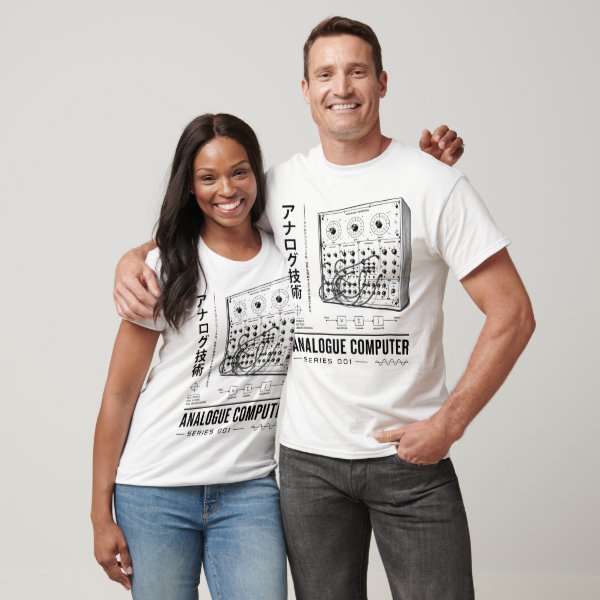
Exhibit Notes
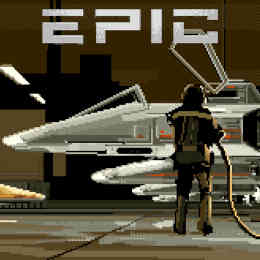
I have always found that the advertising around early computer games often carries as much intrigue as the games themselves. The EPIC box art is a perfect example. It presents a dramatic scene of space combat, a lone pilot, and a vast conflict that feels far larger than the hardware of the time could fully deliver. There is a confidence in that presentation that draws you in. You can see how a reader in the early 1990s might pause on a magazine page and imagine the experience before ever seeing the game in motion. That sense of promise, rather than technical detail, is what makes these artefacts so enduring.
This article itself came about from a simple question. Someone remembered a game called Epic and wanted to know if it really existed. That kind of search sits at the heart of this site. It is not always about deep technical analysis or full historical reconstruction. Sometimes it is about resolving a fragment of memory and placing it back into context. In working through that question, the advertisement, the box art, and the surrounding material became the anchors. Even without having played the game, there is enough here to understand why it left an impression and why it continues to surface in memory decades later.
Sometimes a single remembered box or advert is enough to reconstruct the whole idea.
If you searched for an old space game called Epic, this article is designed to confirm and reconnect that memory with the original title and context.
Frequently asked questions
Was there an old computer game called Epic set in space?
Yes. Epic was a science fiction space combat game from the early 1990s, commonly associated with Ocean Software and released for Amiga, Atari ST, and DOS PCs.
What kind of game was Epic?
Epic was a mission-based space combat game. Players flew a futuristic spacecraft, fought enemy forces, and took part in a larger science fiction war.
Was Epic similar to Elite or Wing Commander?
Epic shared some space combat atmosphere with games such as Elite and Wing Commander, but it was not the same kind of game. It was less open-ended than Elite and less character-driven than Wing Commander.
Why is the old game Epic hard to find today?
Epic is difficult to search for because the word is very common and is also associated with modern Epic Games. Searches for epic space games often hide the specific early 1990s title.
Related articles…


References
- EPIC for the Commodore Amiga and PC - Earlier philreichert.org article examining the 1993 EPIC advertisement, Amiga and PC context, and the game’s promotional framing.
Disclosure
This page presents a curated reflection on the EPIC computer game and its place within early 1990s space combat gaming. Content combines historical references with memory-based interpretation, intended to help readers reconnect with a partially remembered title rather than provide a definitive technical record. Descriptions of gameplay, tone, and context reflect the experience of the era, including advertising material and contemporary comparisons. Readers seeking detailed specifications, verified release data, or comprehensive historical analysis should consult dedicated game archives, databases, and primary sources.