Computing, Retro Systems and Digital Culture
Latest Additions and Updates

Where Did All the VIC-20s Go
After Commodore Moved On?

Commodore 64 as a
MIDI Music Workstation

Commodore 64 Quarterly
September 2026

8-Bit Sound Chips:
Computers as Music

Commodore 1540/1541
5¼ floppy drive

Microsoft Word v1.0
DOS Word Processor

Everyone coded
this on the C64

Commodore 64
1990 Swedish Advert
Collections and Topic Journals
Some computing subjects deserve more than a single article. These collections have grown into living topic journals that gather together related computers, software, magazines, hardware, historical research and ongoing discoveries. Each serves as a central reference point that expands over time, allowing the story of a platform to unfold naturally rather than being confined to one page.
Commodore Computing
Everyone has their first love in computing, and Commodore was mine. From the humble VIC-20 and Commodore MAX Machine through to the legendary C64, C128 and Amiga, these systems shaped how I learned to program, create and think about computers. This collection brings together decades of articles, memories, software, magazines and ongoing discoveries celebrating one of the most influential families of home computers ever built.
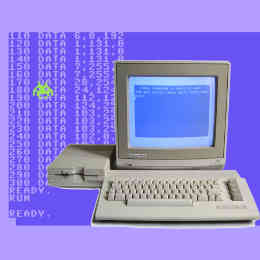
Commodore C64
retro journal

Commodore C128
retro journal

Commodore C65
retro journal

Commodore MAX
Japanese Proto-C64

Commodore Amiga
retro journal

RetroGames A500
Mini journal
Vintage Computing Collection
Not every memorable computer wore a Commodore badge. This collection celebrates the remarkable machines, consoles and specialist systems that helped shape the history of computing, from pioneering portables and powerful workstations to educational kits and wonderfully eccentric commercial experiments. Each topic continues to grow as new research, stories and historical material are uncovered.

Bally Astrocade
8-bit journal
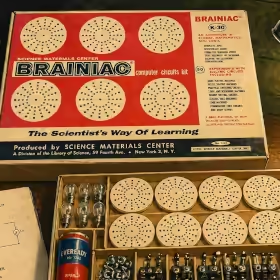
GENIAC Journal
Analogue Computer Kit

Adventure Vision
game console
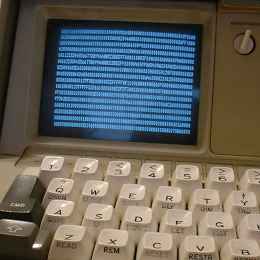
IBM 5100
the first portable

Amazing TI-92 has
officially gone retro
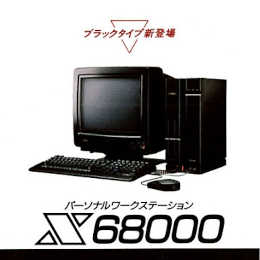
Sharp X68000
Computer

Cray Supercomputer
Quirky Furniture

Honeywell 200
Public Utility Computer

Honeywell 312
Kitchen Computer

Pixar Image Computer
graphics workstation
Burroughs B-280
ACT!ON computer
Hitachi 505
analogue computer
Retro-Computing
These articles explore individual machines, operating systems, software and forgotten technologies that caught my attention. Some were commercial successes, others spectacular failures, but each tells us something about how computing evolved.

Jailbreak culture
on the Commodore 64

Apple's Secret
Scorpius CPU
Microsoft Word v1.0
DOS Word Processor

Scorpion Amiga
Game Engine
Microsoft
Windows 1.0

Windows 10
Journal

Fred Fish collection
complete list

Amiga Public Domain
Fred Fish Disks
Can you think faster
than this machine?
Storyboard
These connected pieces extend the computing cluster into adjacent ideas: public domain software, workstation habits, demo culture, robotics, operating systems and the media worlds that shaped computer enthusiasm.

M5Stack Cardputer
Newsletter June 2026

Atari Star Wars
Arcade Conversion Kit

Lost Amiga Projects
Worth Revisiting

Amiga Fred Fish
Software Ecosystem

Galaxy Watch Ultra
as KDE peripheral

Animating the Amiga
Aegis Animator

Running Linux/Unix
Workstations on Amiga
Commodore C128
Royal Warrant
Microsoft BASIC
Top 5 versions

Analog-hybrid
computer guide

Commodore VIC-20
gfx made easy

Mailmobile
Office Robot

Replica Commodore
C64s and Amigas

PCW 1985
Episode Part 1
PCWorld 1985
Episode Part 2

PCW 1985 episode 3
Seiko Smartwatches
Research and Investigations
- Computers were recognised as important before their practical purpose was understood. In July 1986, the Polish technical magazine Przegląd Techniczny observed that engineers, architects, doctors and journalists understood that computers would become essential to their professions, yet struggled to identify immediate practical applications. The editorial argued that many applications were already possible; what was missing was the knowledge and confidence to use them. The observation captures a transitional moment when enthusiasm for microcomputers was running ahead of practical computer literacy.
- The microprocessor landscape at the transition from 8-bit to 16-bit computing. In July 1986, Wojciech Wojtanowski's article "Najpopularniejsze mikroprocesory" in the Polish magazine Przegląd Techniczny surveyed the Zilog Z80, MOS 6502 family, Motorola 6800, Texas Instruments TMS9900, Intel 8088/8086 and Motorola 68000, connecting these processors to contemporary computers including the ZX Spectrum, Commodore 64, TI-99, IBM PC, Atari ST and Amiga. The article also reported indicative processor prices, from approximately US$2 for the Z80 to US$30 for the Motorola 68000, while introducing the emerging 32-bit generation. It provides a contemporary view of the technologies that shaped several generations of personal computing.
- Poland developed a ZX Spectrum-compatible educational computer with expanded capabilities. In July 1986, Przegląd Techniczny reported on the ELWRO 700 Solum, a Polish prototype microcomputer designed to run Sinclair ZX Spectrum BASIC programs while providing additional features including a 63-key keyboard, Polish character support, expanded BASIC commands and printer compatibility. Developed alongside the ELWRO 800 Junior educational computer programme, the Solum demonstrated how Polish engineers sought to combine compatibility with established Western software and the particular requirements of domestic education.