Independent Digital Publishing - Newsletter 1 (2026)
◆ Revised
📰 Industry & Media Context
Breaking macro trends shaping publishing at large
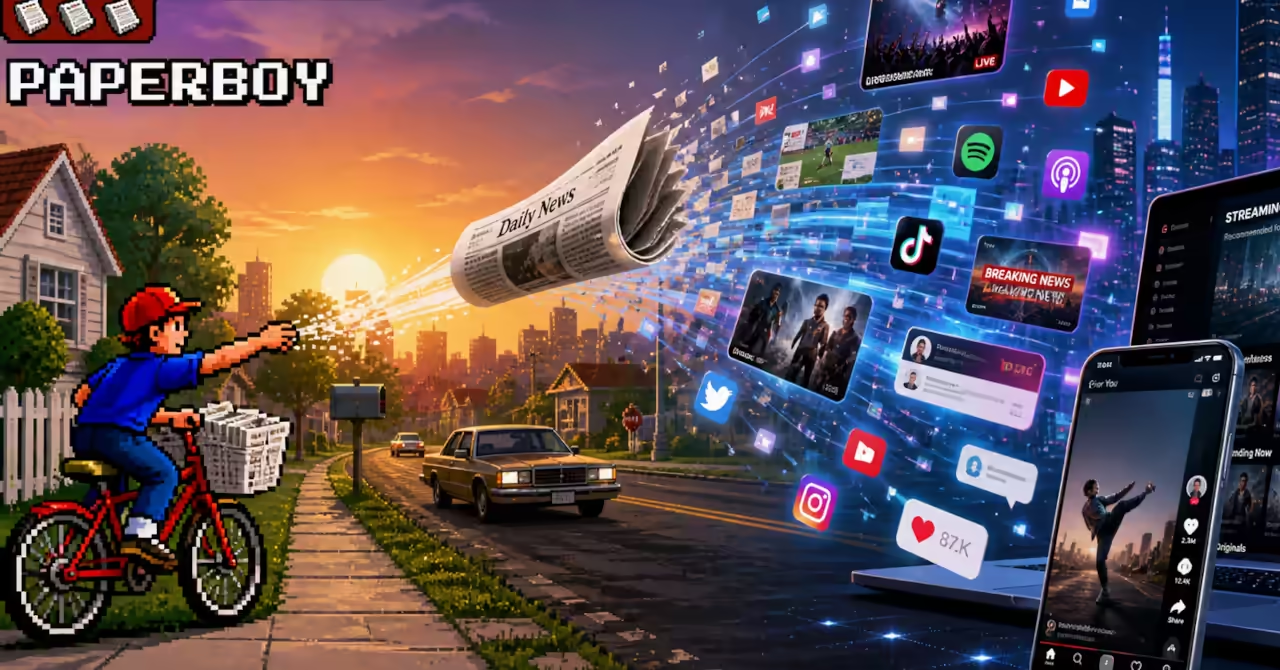
- The Reuters Institute warns that media and tech trends in 2026 are redefining creator ecosystems — publisher support services and “creator studios” are emerging as new infrastructure for writers and independent voices.
- Across media (not just books), physical + digital integration, shared experiences, and community engagement are key themes; personal, localized connection is becoming more valuable.
- M&A and investment activity in technology, media, and telecoms is centering on platforms and digital infrastructure. This suggests infrastructure, not content, is becoming the competitive layer.
- TikTok’s ongoing cultural influence — including fashion and lifestyle trend tracking — shows how social platforms continue to shape discovery for digital content (and by extension books, newsletters, and community-driven publishing).
🏗️ Creator Studios: The New Middle Layer
One of the more important signals this month is the rise of creator studios: small operational teams or service layers that help independent publishers with production, feedback, distribution, analytics, and monetisation. These studios sit between the solo creator and the traditional media company.
The opportunity is not simply to produce more content. It is to help writers and creators turn scattered work into durable publishing systems: newsletters, archives, topic clusters, product pathways, and audience relationships that compound over time.
📚 Indie Publishing & Author-Led Trends
📈 1. Direct Sales & Author Sovereignty on the Rise
Independent authors are increasingly selling books directly via Shopify, Kickstarter, Payhip, and in-person events — not just relying on big platforms. This strategy is especially strong for authors with existing audiences and multiple titles.
Why it matters: Direct sales boost margins, deepen community ties, and reduce dependency on centralized platforms.
🤖 2. AI Is Everyday Infrastructure (Not Just a Buzzword)
Industry trend reports show AI moving from experimentation to integral workflow support — from content discovery to operations and audience analytics. Indie authors and digital publishers increasingly use AI tools for:
- writing assistance
- marketing optimisation
- automated workflows
- reader analytics
This doesn’t replace craft — but it augments author businesses.
Be mindful: As AI proliferates, trust, transparency, and quality become key differentiators for readers.
📬 3. Trust & Community Are Competitive Advantages
According to author trend analyses, reader trust and community engagement are pivotal in 2026:
- Authors are expected to build relationships beyond the book itself — through newsletters, events, special editions, and community spaces.
- Transparency about AI use and creative processes strengthens reader trust.
- Communities are fragmenting around norms on AI and content authenticity.
📊 4. Discovery Is Fragmenting — Diversify Channels
Traditional discovery channels (like search and big retailers) are less reliable. Publishers and indie creators are shifting to multi-platform strategies, including:
- niche social platforms
- newsletters
- short-form video
- podcast guesting
- collaborations and cross-promotions
This requires intentional planning, analytics, and diversified content funnels.
📈 5. Digital-First Marketing Dominates Book Launches
Global marketing insights emphasise Digital-First Marketing as the backbone of successful author platforms in 2026:
- real-time data help refine campaigns
- AI tools optimise reader targeting
- cross-platform presence (social, newsletters, communities) deepens engagement
This approach makes marketing an ongoing relationship-building process, not a one-off campaign.
📅 Spotlight: What’s Buzzing
🧠 Media & Tech Predictions
Creator studios and new tools for independent content businesses are picking up pace — a signal that indie publishers will see more professional services aimed specifically at creators.
🌍 Social Platforms + Publishing
Trends on TikTok and similar networks continue to influence discovery patterns — with implications for author visibility and community building.
💡 Industry Investment Signals
Significant M&A activity in digital platforms suggests infrastructure growth that could benefit indie publishers (via better tools, analytics, and distribution).
🧠 Tips for Indie Publishers
Focus on value over velocity
- Grow direct revenue streams (Shopify, events).
- Build trust via transparent practices and meaningful community engagement.
- Use AI tools to support — not replace — human creativity.
- Diversify discovery and audience channels.
- Lean into analytics to guide editorial and marketing decisions.
📌 Key Themes to Watch
- Reader experience innovation (interactive ebooks, serialized content)
- Newsletter monetisation models beyond ads (subscriptions, micro-donations)
- AI governance & ethical publishing standards affecting discoverability and trust
What Comes Next
The signals outlined here are only the beginning. Creator studios, fragmented discovery, AI-assisted workflows, and direct audience relationships are still forming, not settled. The next phase is where these ideas start to converge into clearer models and repeatable systems. In the next briefing, these trends are tracked forward, with a focus on what happens when platform dependence is challenged, authorship becomes visible, and publishing shifts from output to structured attention. Continue to Newsletter 02 to see how these signals evolve and what they demand in practice.
Frequently asked questions
Should I stop focusing on platforms and prioritise my own site?
Do not abandon platforms, but do not depend on them. Your own site should act as the canonical home for durable work, while platforms serve as distribution channels that point readers back to owned spaces.
Should I start a newsletter now, or is it too late?
If search is unreliable, where do readers actually come from?
Readers usually arrive through a mix of routes: search, newsletters, social links, referrals, communities, recommendations, and repeat visits. The safer approach is to build several modest discovery paths rather than depend on a single traffic source.
Are social platforms still worth the effort?
Related articles…



Disclosure
This newsletter is a curated compilation of publicly available information drawn from widely accessible search sources. The content has been gathered, organised, and presented for personal interest, rather than as original reporting or formal editorial investigation. While care has been taken in selection and structure, readers should treat the material as an informal overview and refer to original sources for full context and verification.